Measuring Success: Key Digital Marketing Metrics for Australian Businesses

Digital marketing is no longer an optional tool for businesses; it’s the cornerstone of growth in today’s digital-first world. For Australian businesses, where competition in the online space is intensifying, understanding how your marketing efforts are performing is crucial. But how do you know if you’re heading in the right direction?

This is where digital marketing metrics come into play. These metrics act as a mirror, reflecting the success of your marketing activities and giving you the information you need to fine-tune your strategies. Just like in a game of cricket, where you keep track of runs, wickets, and overs to assess the match, in marketing, you need to track key performance indicators (KPIs) to evaluate success.

In this blog, we’ll go beyond just listing metrics. We’ll explore why they matter, how they impact your business, and most importantly, how you can use them to drive sustainable growth in Australia’s competitive market. From website traffic to social media engagement, we’ll cover 11 critical digital marketing metrics every business should know.

What are Digital Marketing Metrics?

In simple terms, digital marketing metrics are numbers that tell a story about your marketing campaigns. They’re data points that help you understand whether your marketing strategies are working or not. Consider them a way to assess your business’s health. They tell you what’s working, what’s failing, and where you should be focusing your energy.

You might be thinking, “I already know how many followers I have on Instagram” or “I’m aware of my website traffic.” But those are just vanity metrics—impressive to look at but not very useful for understanding your business’s performance. What you need are actionable metrics—data points that you can use to make smart decisions and achieve real results.

Vanity Metrics vs Actionable Metrics
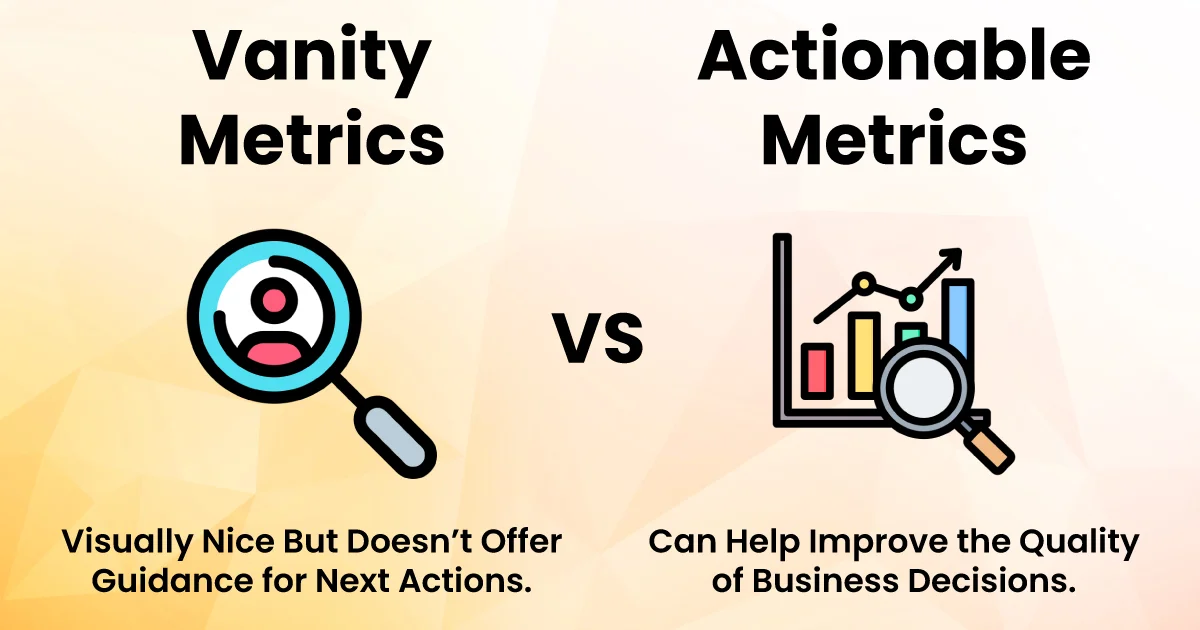
  • Vanity Metrics: These include things like likes, followers, and impressions. They make your marketing look good on the surface but don’t provide deep insights into customer behaviour.
  • Actionable Metrics: These metrics provide valuable insights that help you make strategic decisions. Metrics like conversion rate, bounce rate, and cost per acquisition (CPA) fall into this category.

For example, you may have thousands of visitors coming to your website, but if none of them are converting into leads or sales, then you’re missing out. This is where understanding the right metrics can help.

Benefits of Using Marketing Metrics

Digital marketing without metrics is like driving a car with your eyes closed. You need data to navigate your journey and to ensure you’re on the right path. Let’s break down some of the core benefits of using marketing metrics:

1. Informed Decision-Making

Data takes the guesswork out of marketing. Imagine you’re running two different Google Ads campaigns for your Australian tourism business—one targeting local travellers and the other targeting international tourists. You might have a hunch that the local campaign will perform better, but without tracking metrics like click-through rate (CTR) and conversions, you won’t know for sure. By looking at these metrics, you can see which campaign is more effective and allocate more budget to it.

2. Maximising ROI

At the end of the day, you want to know whether your marketing dollars are well spent. By tracking return on investment (ROI) and cost per acquisition (CPA), you can see which campaigns are bringing in the most revenue for the least cost. For instance, if your social media ads have a lower CPA than your email marketing efforts, you know where to focus more of your budget.

3. Optimising Campaign Performance

Marketing isn’t something you can just set up and leave alone. Metrics allow you to monitor campaign performance in real-time and make adjustments as needed. Let’s say you’re an e-commerce business based in Sydney. You launch a Facebook campaign to drive traffic to your site, but after a week, you notice your bounce rate is sky-high. This could indicate that your landing page isn’t aligned with your ad, so you can quickly tweak it to improve user experience.

4. Personalising Customer Experiences

Metrics such as engagement rate and average session duration provide insights into customer behaviour. By analysing these data points, you can tailor your marketing efforts to better meet the needs and interests of your audience. For example, if you notice that visitors spend more time on your “About Us” page, you might consider adding more engaging content, such as behind-the-scenes videos or customer testimonials.

5. Tracking Progress Toward Business Goals

Every business has goals—whether it’s increasing sales, building brand awareness, or driving traffic. Metrics help you track how close you are to achieving those goals. If your goal is to increase website traffic by 30% in the next quarter, you’ll use website traffic metrics to monitor progress. This keeps your marketing efforts aligned with your larger business objectives.

11 Digital Marketing Metrics Businesses Can Use

Now that we’ve covered why metrics matter, let’s dive into the key metrics that every Australian business should be tracking. Each of these metrics provides different insights, but together, they offer a holistic view of your digital marketing performance.

1. Brand Awareness Metrics

Making your brand known is the first step to building a connection with your audience. After all, people need to know who you are before they can engage with your products or services. But how can you measure something like awareness, which is hard to define?

Key Metrics to Track:

  • Impressions: This metric tells you how often your content is shown to users. For example, if you run an ad campaign on Google or Facebook, impressions show how many times your ad was shown to people. 
  • Reach: Reach, on the other hand, counts how many unique individuals saw your content. If your Sydney-based ad campaign reaches 5,000 unique users, you know that 5,000 different people were exposed to your brand.
  • Branded Search Volume: This measures how often people search for your brand name on search engines like Google. Increasing branded search volume is a great indicator that your brand awareness efforts are paying off.

Real-World Example:

An Australian skincare brand runs an Instagram campaign targeting young adults. By tracking impressions and reach, they can see that their posts are getting high visibility. However, by digging deeper into their branded search volume, they notice that more people are also Googling their brand name after seeing the posts. This tells them that the campaign is successfully building awareness and driving interest.

2. Return on Investment (ROI)

Every business owner wants to know: is this investment worth it? That’s exactly what ROI tells you. It’s a simple yet powerful metric that helps you determine whether your marketing efforts are profitable.

RIO formula:

For example, let’s say a Brisbane-based fitness centre spends $5,000 on Facebook ads and generates $20,000 in revenue from new memberships. Their ROI would be:

ROI = ($20,000 – $5,000) / $5,000 x 100 = 300%

A 300% ROI means the campaign generated three times more revenue than what was spent.

Why ROI is Essential:

  • Budget Allocation: ROI helps you understand where to invest your money. If one campaign has a much higher ROI than another, you’ll want to allocate more budget to the more profitable one.
  • Long-Term Planning: ROI isn’t just about short-term wins. It also provides insights into the long-term profitability of your marketing efforts.

Example:

A Sydney-based digital marketing agency runs multiple ad campaigns for different clients. They track ROI for each campaign to determine which strategies are yielding the best results. If one client’s email marketing campaign has a significantly higher ROI than their social media campaign, they’ll recommend focusing more resources on email in the future.

3. Website Metrics

Your website is your digital storefront, and understanding how users interact with it is key to optimising performance. Website metrics provide insights into user behaviour, site performance, and overall engagement.

Key Website Metrics:

  • Traffic: This is the total number of people visiting your website. Whether they arrive via organic search, paid ads, or social media, traffic tells you how visible your website is.
  • Bounce Rate: Bounce rate is the percentage of visitors who leave your site without interacting with any other pages. A high bounce rate might mean that your site isn’t meeting what users are looking for.
  • Average Session Duration: This metric tells you how long users stay on your website. The longer they stay, the more engaged they are with your content.

Example:

A Melbourne-based e-commerce site notices a spike in traffic after running a Google Ads campaign. However, their bounce rate also increases, which suggests that the landing page isn’t effectively converting visitors into customers. By looking at this number, they choose to redesign the landing page to improve the user experience.

4. Search Engine Optimisation (SEO) Metrics

SEO is a long-term investment, but it can be one of the most effective ways to increase organic traffic to your website. However, simply ranking for a few keywords isn’t enough. You need to track multiple SEO metrics to understand your site’s overall health and performance.

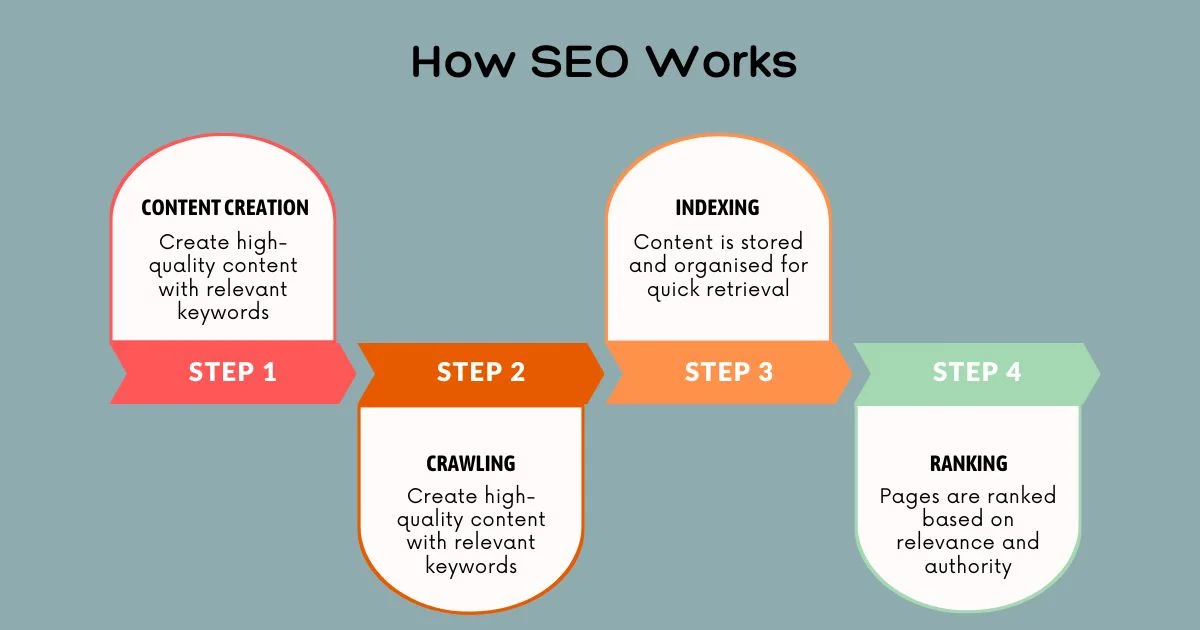
How SEO Works

Search Engine Optimisation (SEO) is a process that improves your website’s visibility on search engines. Here’s how it works:

  1. Content Creation: SEO begins with creating high-quality, relevant content that includes keywords your audience is searching for.
  2. Crawling: Search engines use bots to discover and read your web pages by following links.
  3. Indexing: After crawling, search engines store and organise your content in their database for quick retrieval.
  4. Ranking: When users search, search engines analyse their index and rank pages based on relevance and authority, displaying the best matches in search results.
How SEO WOrk

These steps help ensure your website is visible to users looking for relevant information or services.

Key SEO Metrics to Track:

  • Organic Traffic: This is the number of visitors who come to your website from search engines like Google, without clicking on paid ads. For businesses with limited advertising budgets, organic traffic can be a goldmine.
  • Keyword Rankings: This metric tells you where your website ranks for specific keywords in search results. If you’re a florist in Sydney, for example, you’ll want to track how well you rank for keywords like “Sydney flower delivery” or “wedding florist Sydney.” By focusing on industry-specific SEO, you can tailor your content and keywords to attract local customers actively searching for your services.
  • Click-Through Rate (CTR) from Search: This tells you how often people click on your website after seeing it in search results. If you’re ranking well for a keyword but your CTR is low, your meta descriptions or title tags might need optimisation.
  • Backlinks: Backlinks are links from other websites that lead to your content. Google sees backlinks as a signal of trustworthiness, so the more high-quality backlinks you have, the better your SEO.

Example:

A Brisbane-based café starts a blog to boost its organic SEO. Over time, they notice that their organic traffic is increasing, and they’re ranking higher for keywords like “best coffee in Brisbane.” By tracking their SEO metrics, they also see that blog posts on coffee brewing techniques and local events are getting backlinks from popular lifestyle websites, further boosting their rankings.

5. Cost Per Acquisition (CPA)

Cost per acquisition (CPA) is one of the most important metrics for measuring how much you’re spending to acquire a new customer. Whether it’s a sale, a sign-up, or a download, CPA tells you how efficient your marketing efforts are at turning leads into customers.

The formula for CPA:

For example, if a Sydney-based tech company spends $10,000 on Google Ads and generates 100 new customers, their CPA would be:

CPA = $10,000 / 100 = $100

A CPA of $100 means that it costs the company $100 to acquire one customer. Depending on the company’s product or service price point, this could be considered high or low. If the lifetime value (LTV) of a customer is $1,000, then a CPA of $100 would be a good investment.

Why CPA Matters:

  • Budget Efficiency: CPA helps you understand how cost-effective your marketing is. If you’re spending too much to acquire new customers, it might be time to refine your targeting or ad copy.
  • Profitability: A low CPA means you’re spending less to gain more. By lowering your CPA, you can make your marketing campaigns more profitable.

Example:

An Adelaide-based online retailer tracks CPA for their social media ad campaigns. After analysing the data, they noticed that Facebook ads have a lower CPA than Google Ads for acquiring new customers. By shifting more of their budget to Facebook ads, they reduce their overall CPA and improve profitability.

Tips to Reduce CPA:

  1. Optimise Landing Pages: A high-converting landing page can lower your CPA by increasing the number of visitors who take the desired action.
  2. Refine Targeting: By narrowing down your audience to those most likely to convert, you can improve your CPA. Tools like Facebook Ads Manager and Google Ads let you target specific groups of people based on their age, interests, and behaviours.
  3. A/B Test Ads: Test different versions of your ads to see which ones perform best in terms of CPA. Sometimes, small tweaks to the headline or call to action (CTA) can have a big impact.

6. Click-Through Rate (CTR)

Click-through rate (CTR) is one of the easiest and most direct metrics to track in digital marketing. It measures how often people click on your ad, link, or website when they see it in a search result, an email, or on social media. A higher CTR typically means your content is relevant and engaging for the audience it’s targeting.

The formula for CTR:

For example, if an Australian e-commerce business runs a Google Ad that receives 10,000 impressions and 500 clicks, their CTR is:

CTR = (500 / 10,000) x 100 = 5%

A high CTR indicates that your ad copy or search result is resonating with users. On the other hand, a low CTR could mean that your message isn’t compelling enough or that your targeting is off.

Why CTR Matters:

  • Ad Relevance: A high CTR indicates that your ads or content are relevant to your target audience. If you’re getting a lot of impressions but a few clicks, it might be time to reevaluate your keywords, messaging, or audience targeting.
  • Improving Quality Score: For Google Ads, CTR plays a role in determining your Quality Score, which affects how much you pay per click. A higher Quality Score can lower your cost per click (CPC) and improve ad placement.

Example:

A Melbourne-based tourism company runs a Google Ads campaign targeting “Great Ocean Road tours.” They notice that their CTR is lower than expected, even though they’re getting a lot of impressions. After reviewing their ad copy, they realise that their CTA isn’t clear enough. They update the copy to include a stronger action phrase like “Book Your Adventure Today!” and immediately see an improvement in their CTR.

Tips to Improve CTR:

  1. Use Action-Oriented CTAs: Words like “Buy Now,” “Learn More,” or “Sign Up Today” can help nudge users toward clicking.
  2. Target the Right Audience: Ensure that your ads or content are reaching the people most likely to be interested in your product or service.
  3. Optimise Meta Titles and Descriptions: For SEO, having compelling meta titles and descriptions can improve CTR for your website’s search results.

7. Bounce Rate

Bounce rate measures the percentage of visitors who leave your website after viewing only one page, without interacting further. A high bounce rate can indicate a poor user experience or that your website isn’t aligned with the expectations of your visitors.

Why Bounce Rate is Important:

  • User Engagement: A high bounce rate often signals that users aren’t finding what they’re looking for, which can negatively affect your SEO and conversions.
  • Improving User Experience: Reducing your bounce rate means keeping visitors on your site longer, which gives you a better chance of converting them into customers.

The formula for Bounce Rate:

For example, if your Brisbane-based yoga studio’s website has 1,000 sessions, and 600 of those sessions result in users leaving after only viewing one page, your bounce rate is:

Bounce Rate = (600 / 1,000) x 100 = 60%

A bounce rate of 60% might indicate that visitors are either not interested in your content or that your website isn’t user-friendly.

Example:

A Gold Coast-based real estate agency notices that their bounce rate is particularly high for their property listings. After investigating, they found that their website isn’t optimised for mobile devices, leading to a poor user experience. By redesigning the website to be mobile-friendly, they reduce their bounce rate and increase user engagement.

Tips to Reduce Bounce Rate:

  1. Improve Page Load Times: Users tend to leave websites that take too long to load. Tools like Google PageSpeed Insights can help you identify areas to optimise.
  2. Create Engaging Content: If your content isn’t capturing users’ attention, they’re more likely to leave. Use engaging visuals, videos, and clear headings to keep visitors interested.
  3. Match Landing Page with User Intent: Ensure that your landing page is aligned with the promises made in your ads or search results. If someone clicks on an ad for “Sydney web design services” and lands on a page about graphic design, they’re more likely to bounce.

8. Engagement Rate

Engagement rate measures how much users interact with your content across different platforms, such as social media, blogs, or email newsletters. It’s an important metric because it reflects how invested your audience is in what you’re sharing.

Key Engagement Metrics:

  • Likes, Comments, and Shares: These indicate how much users are responding to and sharing your content.
  • Clicks and Views: These metrics show whether people are taking the next step by clicking through to your website or watching your video content.
  • Replies and Mentions: For social media, replies and mentions give you insight into how often users are talking about your brand.

The formula for Engagement Rate:

For example, if a Canberra-based fitness influencer has 10,000 Instagram followers and receives 1,500 total engagements (likes, comments, and shares) on a post, their engagement rate would be:

Engagement Rate = (1,500 / 10,000) x 100 = 15%

Example:

A local fashion boutique in Sydney notices that their Instagram posts about new arrivals have a high engagement rate, but posts about styling tips don’t perform as well. By focusing more on the types of posts that resonate with their audience, they increase their overall engagement.

9. Conversions

In digital marketing, conversions refer to the specific actions you want your visitors to take, whether it’s making a purchase, signing up for a newsletter, or downloading a resource. Tracking conversions is essential for evaluating the effectiveness of your marketing strategies and determining ROI.

Why Tracking Conversions Matters:

  • Performance Measurement: Understanding conversion rates allows you to see which campaigns are performing well and which ones need adjustments.
  • Customer Insights: By analysing conversion data, you can learn more about your audience’s behaviour and preferences, which can inform future marketing strategies.

The formula for Conversion Rate:

For instance, if a Newcastle-based travel agency receives 5,000 visitors to their website in a month and has 500 conversions (e.g., bookings, sign-ups), their conversion rate would be:

Conversion Rate = (500 / 5,000) x 100 = 10%

A conversion rate of 10% can be quite favourable, depending on the industry. However, businesses should strive to continuously optimise this metric.

Example:

A Melbourne-based online course provider tracks conversions for their webinar sign-ups. They discover that their conversion rate improves significantly when they offer a limited-time discount. By utilising urgency in their marketing, they encourage more visitors to take action.

Tips to Improve Conversion Rates:

  1. Optimise Your Call to Action (CTA): Make sure your CTAs are clear, compelling, and easily visible. Experiment with different phrases, colours, and placements to find what works best.
  2. A/B Testing: Try out different versions of your landing pages or emails to find out which ones get more people to convert. Changes could include different headlines, images, or even the layout of the page.
  3. Reduce Friction: Make the process of converting as easy as possible. If you’re asking visitors to fill out a form, minimise the number of fields to the essentials. A lengthy process can deter potential customers.

10. Quality of Inbound Links

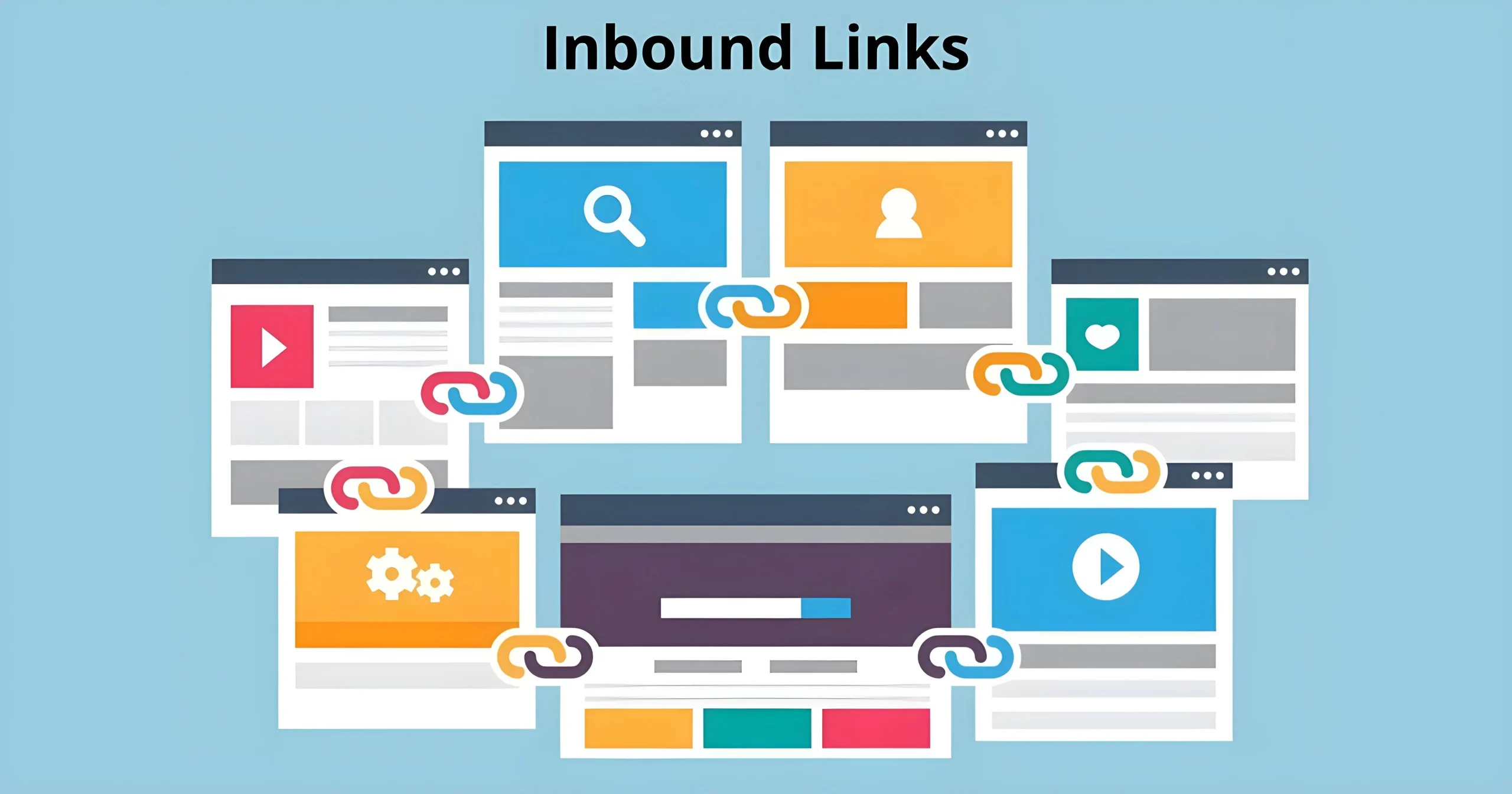
Inbound links, also known as backlinks, are links from other websites to your content. The quality of these links significantly impacts your site’s authority and search engine ranking. High-quality backlinks from reputable sites can drive traffic and improve SEO.
Why Quality of Inbound Links Matters:

  • SEO Benefits: Search engines like Google consider the number and quality of backlinks when determining search rankings. The more authoritative the site links to you, the better.
  • Traffic Generation: Quality backlinks can lead to referral traffic, bringing new visitors to your site who might convert into customers.

Factors Determining Link Quality:

  • Relevance: Links from sites that are relevant to your industry or niche carry more weight.
  • Domain Authority: Links from high-authority domains (like established news sites or industry leaders) are more beneficial than links from low-authority sites.

Example:

A Brisbane-based health and wellness blog receives a mention in a popular online magazine that focuses on fitness trends. This mention results in a significant boost in website traffic, along with a new influx of quality backlinks. Their organic rankings improve as a result.

Tips to Improve Link Quality:

  1. Create High-Quality Content: The more valuable and informative your content is, the more likely others will link to it. Think about creating guides, infographics, or industry reports.
  2. Guest Blogging: Writing articles for other reputable blogs can help you earn backlinks and increase your visibility. Just make sure to choose relevant sites in your industry.
  3. Engage in Outreach: Connect with other businesses or bloggers in your niche and propose collaborations or link exchanges that can benefit both parties.

11. Social Media Engagement

Social media engagement measures how users interact with your content on platforms like Facebook, Instagram, Twitter, and LinkedIn. High engagement levels often indicate that your content resonates with your audience and encourages sharing.
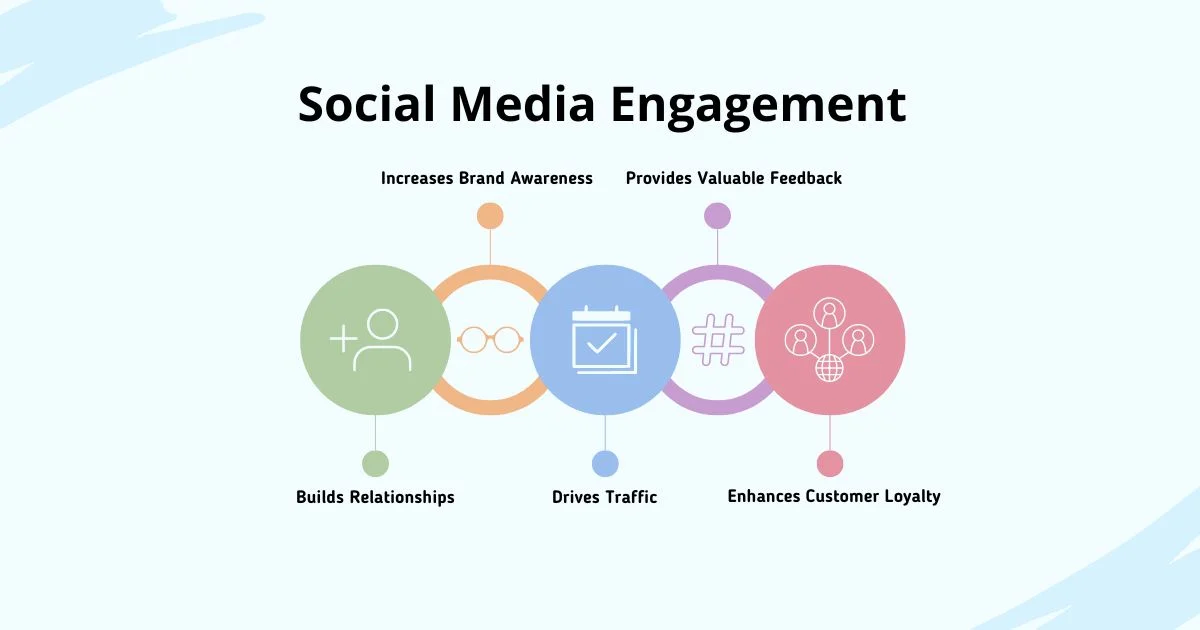
Why Social Media Engagement Matters:

  • Brand Awareness: Engaging posts can increase visibility and reach, making more people aware of your brand.
  • Community Building: High engagement helps foster a sense of community and loyalty among your audience, which can translate to higher customer retention rates.

Key Social Media Engagement Metrics:

  • Likes, Comments, and Shares: These basic metrics show how well your content is received.
  • Follower Growth Rate: Tracking how quickly you gain new followers can provide insight into the effectiveness of your social media strategy.
  • Post Reach: Knowing how many people see your posts can help you gauge your content’s visibility.

Example:

A Gold Coast fashion brand uses Instagram to promote its latest collection. They encourage customers to share photos wearing their clothes using a unique hashtag. This strategy not only boosts their engagement rate but also helps them build a community of loyal customers who promote their brand organically.

Tips to Increase Social Media Engagement:

  1. Ask Questions: Encourage engagement by asking your audience questions about your industry. This could be simple polls, open-ended questions, or even engaging quizzes.
  2. Use Visuals: Posts with images, videos, or graphics typically perform better than text-only posts. Investing in high-quality visuals can help attract more engagement.
  3. Respond to Comments: Take the time to engage with your audience by responding to comments and messages. This fosters a sense of community and makes your audience feel valued.

Conclusion

In today’s digital landscape, measuring success through key digital marketing metrics is essential for Australian businesses. Understanding and tracking metrics like brand awareness, ROI, website performance, SEO metrics, CPA, CTR, bounce rate, engagement rate, conversions, quality of inbound links, and social media engagement can provide valuable insights into your marketing strategies.

By consistently analysing these metrics, businesses can make informed decisions that lead to improved performance, increased ROI, and better customer experiences. Remember, digital marketing is not just about acquiring customers; it’s about understanding them and delivering value at every touchpoint.

As you continue your digital marketing journey, keep in mind that the landscape is always evolving. Stay adaptable, be willing to test new strategies, and regularly review your metrics to ensure you’re on the right track. With the right approach, you can harness the power of digital marketing to drive growth and achieve your business goals.

Influencer Marketing in Australia 2024: A Comprehensive Guide

Influencer marketing continues to evolve rapidly, and 2024 is no exception. With the rise of new platforms, changing regulations, and growing consumer demand for authentic content, the landscape for influencer marketing is more dynamic than ever. Brands are increasingly investing in influencers to build trust, engage target audiences, and drive sales. Whether you’re a brand or an influencer, understanding the current trends, strategies, and challenges in 2024 is crucial for success.

This guide will provide a comprehensive overview of influencer marketing in 2024, covering everything from platform analysis to influencer types and categories, key strategies, and case studies of successful campaigns.

What is Influencer Marketing?

Influencer marketing is a type of marketing that focuses on using key leaders—often known as “influencers”—to drive your brand’s message to the larger market. Rather than targeting a broad audience directly, brands hire influencers to deliver the message through their established credibility, trust, and following on social media marketing platforms like Instagram, YouTube, and TikTok.

Influencers range from celebrities and industry experts to niche bloggers and content creators, whose word carries weight among their followers. Brands collaborate with these influencers to promote products and services authentically, often resulting in higher engagement and conversion rates than traditional ads.

Platform Analysis

In today’s influencer marketing ecosystem, choosing the right platform is crucial for reaching your target audience. The most successful influencer campaigns tend to focus on a combination of the following platforms:

1. Instagram as a Leading Platform

Instagram has long been at the forefront of influencer marketing. With over 1.3 billion users globally, Instagram remains the go-to platform for influencers to share branded content, thanks to its focus on visuals, stories, and short-form videos. In Australia, Instagram is a major hub for influencer marketing, had 13.95 million users in Australia in early 2024, with categories ranging from fashion and lifestyle to fitness and travel.

  • Instagram Features for Influencer Marketing:
    Instagram offers unique features like Stories, Reels, and IGTV, which allow influencers to create engaging and authentic content. Brands can leverage Instagram’s paid partnership tools for transparency, and analytics tools like Instagram Insights to measure performance.
  • Influencer Categories on Instagram:
    Micro-influencers (10,000–50,000 followers) are particularly effective on Instagram because their content often feels more personal and authentic. Mega-influencers (over 1 million followers) also find Instagram advantageous due to the platform’s wide-reaching audience.

2. Emergence of TikTok

TikTok has quickly become one of the hottest platforms for influencer marketing, thanks to its ability to drive viral content. With over 25.21 million internet users in Australia at the start of 2024, TikTok offers brands and influencers a platform to reach young, highly engaged audiences. According to data from ByteDance’s advertising resources, TikTok had 9.73 million users aged 18 and over in Australia as of early 2024. Short-form video content is TikTok’s hallmark, providing influencers with creative ways to promote products, especially with trending challenges and hashtags.

  • TikTok Features for Influencer Marketing:
    TikTok’s algorithm prioritises engagement, so even nano-influencers can achieve viral success if their content resonates with users. Brands can also utilise TikTok’s paid ads and analytics tools to target specific demographics.

3. Facebook as an Influencer Marketing Platform

Although Instagram and TikTok often dominate discussions around influencer marketing, Facebook still holds a significant position. With a vast user base of over 2.9 billion globally, and more than 16 million active users in Australia, Facebook provides a versatile platform for influencer marketing.

Unique Features of Facebook for Influencer Marketing

  1. Advanced Targeting Capabilities: Facebook’s audience targeting options allow brands to reach specific audiences based on interests, behaviours, and demographics. This makes Facebook especially appealing for advertisers aiming for high conversion rates.
  2. Facebook Groups: Influencers leverage groups to create niche communities where they interact with their followers more personally. These groups are effective for long-term product endorsements and deeper conversations.
  3. Facebook Stories & Live: Facebook’s ephemeral content options—such as Stories and Facebook Live—are becoming crucial for influencer collaborations. Influencers can use these features like meta business manager to promote limited-time offers or engage with audiences in real-time.

Regulatory Environment

As influencer marketing grows, so does the need for clear guidelines and regulations to ensure transparency between brands, influencers, and consumers. The Australian government and industry bodies have introduced several regulations and guidelines.

1. Advertising Standards

In Australia, influencer marketing is governed by the Australian Association of National Advertisers (AANA) and its code of ethics. This includes ensuring transparency when influencers are paid or receive products in exchange for promotion. Influencers must use hashtags like #ad or #sponsored to indicate that content is paid for.

2. Consumer Laws

Australia’s consumer laws, under the Australian Competition and Consumer Commission (ACCC), also play a role in regulating influencer marketing. Influencers must provide honest and truthful representations of products, or they may face penalties under Australian Consumer Law for misleading or deceptive conduct.

Influencer Marketing Strategy

To create a successful influencer marketing campaign in 2024, brands need a well-structured approach. This strategy includes:

  1. Define Goals: Whether it’s increasing brand awareness, generating leads, or boosting sales, the campaign should have clear and measurable goals.
  2. Identify the Right Influencers: Depending on the campaign goals, brands should look for influencers that align with their target audience and brand values.
  3. Content Creation and Collaboration: Work closely with influencers to craft authentic and creative content. Sponsored content should feel organic to the influencer’s usual style, ensuring higher engagement rates.
  4. Leverage Multiple Platforms: In 2024, multi-platform strategies are becoming increasingly important. Brands can leverage Instagram, TikTok, Facebook, and even emerging platforms like Threads to optimise reach.

Ad Spending & Trends

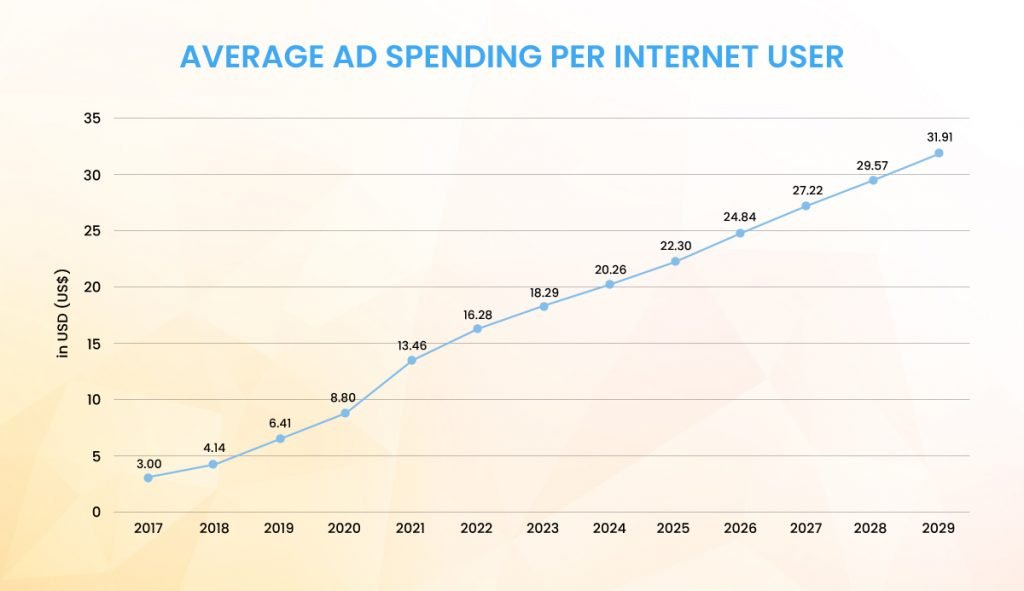
Average Ad Spending Per Internet User

The growing influence of social media is reflected in ad spending. The average ad spending per internet user has grown from $3 in 2017 to $20.26 in 2024 (as seen in the graph). This increase highlights how brands are investing more in digital advertising, including influencer marketing.

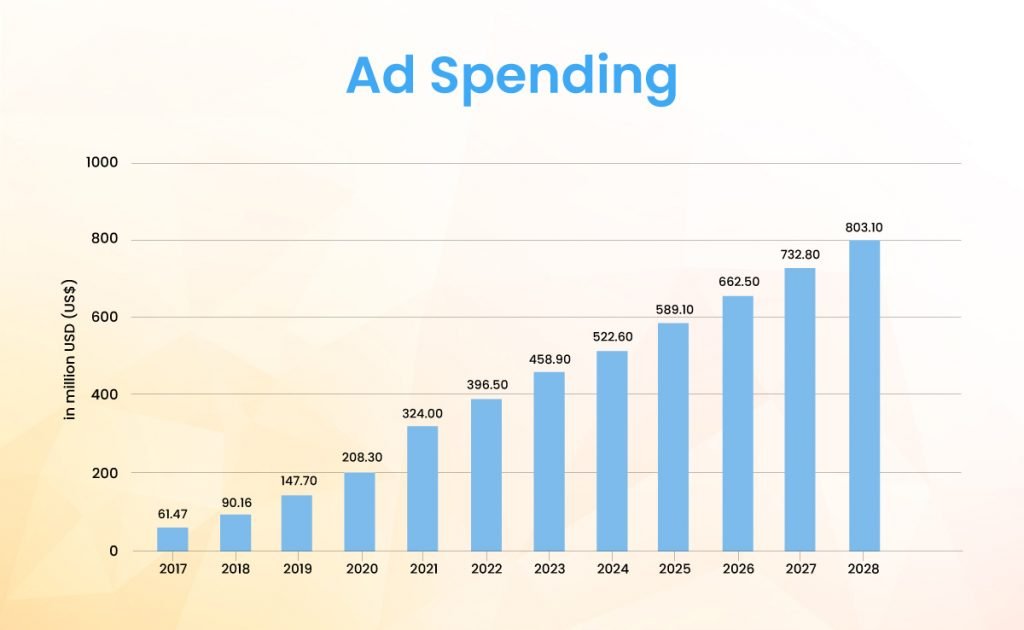
Total Ad Spending

The total ad spending on digital platforms is expected to reach $589.10 million in 2024, and it’s projected to increase to $874.50 million by 2029 (based on the provided chart). This reflects the ongoing shift towards influencer-driven advertising as brands move away from traditional media.

Influencer Types & Categories

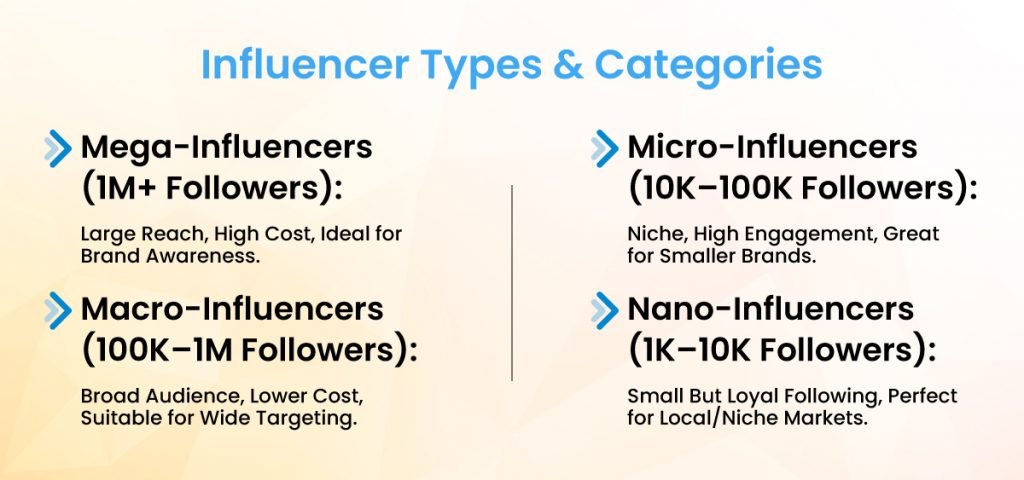
Understanding the different types of influencers is important for developing a tailored influencer marketing strategy. Influencers are generally divided into four categories based on their follower count:

1. Mega-Influencers (1 million+ followers)

Mega-influencers are often celebrities or public figures with massive followings. While they can drive extensive reach, they often come with higher costs and may not deliver the most engagement relative to their audience size. Mega-influencers are ideal for large brands with substantial budgets looking to increase brand awareness.

2. Macro-Influencers (100,000–1 million followers)

Macro-influencers typically have established personal brands and a large, diverse audience. They are a good option for brands that want to target a broader audience but at a lower cost than mega-influencers.

3. Micro-Influencers (10,000–100,000 followers)

Micro-influencers often have niche audiences with high engagement rates. They are considered more authentic and trusted by their followers, making them ideal for smaller brands or highly targeted campaigns.

4. Nano-Influencers (1,000–10,000 followers)

Nano-influencers may have the smallest following, but they also have incredibly loyal audiences. They are especially effective for local SEO campaigns or niche markets, offering intimate and personalised content.

Case Studies of Successful Influencer Marketing Campaigns

  1. Koala (Instagram):
    Koala, an Australian mattress brand, used humour and influencer collaborations to showcase their easy-to-deliver mattresses. Local influencers shared unboxing experiences through Instagram Stories and posts, boosting brand awareness.
  2. Bondi Sands (Instagram and YouTube):
    Bondi Sands partnered with beauty influencers like Shani Grimmond to demonstrate their tanning products. Tutorials and reviews on Instagram and YouTube helped the brand expand both locally and internationally.
  3. Athlete’s Foot (Facebook):
    Athlete’s Foot Australia teamed up with fitness influencers to promote their shoe range on Facebook. The campaign increased online traffic and in-store visits by targeting health-conscious consumers.
  4. MECCA (TikTok):
    MECCA leveraged TikTok influencers to promote skincare and makeup tutorials. The viral beauty content helped them reach a younger audience, boosting both online and in-store sales.

These Australian companies successfully used influencer marketing to increase brand visibility and customer engagement across various platforms.

Measuring ROI in Influencer Marketing

Measuring the return on investment (ROI) for influencer marketing campaigns is crucial to understanding their effectiveness. This can be done by tracking various metrics:

1. Engagement Metrics

Engagement metrics such as likes, comments, and shares provide a clear indication of how well the influencer’s audience is interacting with the content. High engagement rates often correlate with increased brand visibility and audience trust.

2. Conversions

Whether you’re selling products or generating leads, tracking conversions is one of the most direct ways to measure ROI. Influencers can use trackable links or promo codes to attribute sales directly to their content.

3. Brand Awareness

For campaigns focused on brand awareness, metrics like reach and impressions are essential. These measure how many people saw the content and the overall exposure of the campaign.

4. Sentiment Analysis

Beyond raw numbers, it’s also important to understand how people are responding to influencer content. Sentiment analysis tools can help track whether the conversation surrounding your campaign is positive or negative.

Challenges and Considerations

While influencer marketing offers numerous benefits, there are several challenges that brands should consider.

1. Finding the Right Influencers

One of the biggest challenges is finding influencers who align with your brand values and can effectively engage your target audience. Brands often rely on influencer marketing platforms or agencies to streamline this process.

2. Authenticity Concerns

As influencer marketing becomes more mainstream, consumers are becoming wary of overly promotional content. Ensuring that influencers genuinely align with your brand and product is crucial to maintaining authenticity.

3. Changing Algorithms

Social media platforms frequently update their algorithms, which can affect how influencer content is delivered and seen by followers. Brands need to stay updated on these changes to adapt their strategies accordingly.

Tips for Beginner Influencers

Starting as an influencer is exciting, but success takes more than posting. Focus on building a loyal audience, creating quality content, and engaging authentically. Here are some essential tips to support your growth:

  1. Find Your Niche: Focus on a specific area that you are passionate about, like fashion, fitness, or travel.
  2. Consistency is Key: Post regularly to keep your audience engaged and show up in feeds more often.
  3. Engage with Followers: Respond to comments and messages to build a loyal and interactive community.
  4. Be Authentic: Stay true to your personality and values. Authenticity helps build trust with your audience.
  5. Collaborate: Work with other influencers to expand your reach and grow your follower base.
  6. Leverage Hashtags: Use relevant hashtags to increase visibility and attract new followers.
  7. Invest in Quality Content: Good visuals and well-thought-out captions are essential to stand out.
  8. Track Your Progress: Use analytics to understand what works best for your audience and improve future content.

Conclusion

In 2024, influencer marketing remains an essential part of a brand’s SEO strategy. With the continued growth of platforms like Instagram, TikTok, and Facebook, brands have more opportunities than ever to connect with their audiences. By crafting targeted influencer campaigns, leveraging multiple platforms, and staying up to date with regulations, brands can achieve measurable success in this ever-evolving industry.

From Insights to Automation: The Impact of AI on Australian Digital Marketing

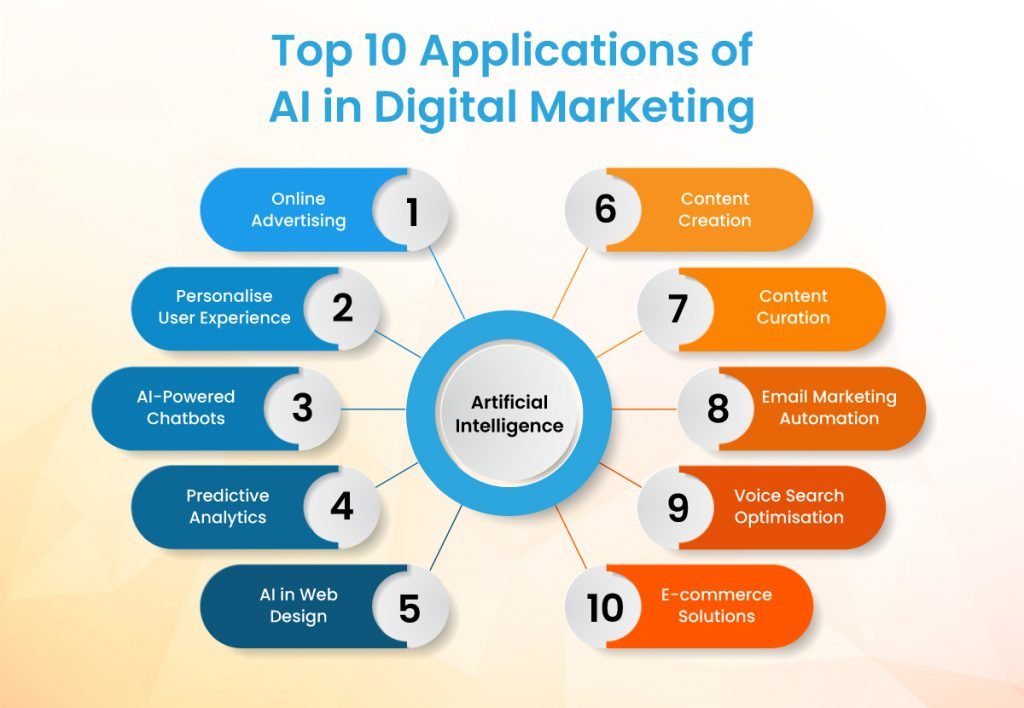
Artificial Intelligence (AI) is not just a buzzword; it’s reshaping the way businesses approach digital marketing across Australia. From enhancing customer experiences to optimising content strategies, AI is enabling marketers to work smarter, not harder. In this blog, we’ll delve into the various facets of AI in digital marketing, providing insights and examples relevant to the Australian market.

The Rise of AI in Digital Marketing

As the digital landscape becomes increasingly competitive, Australian businesses are adopting AI technologies to stay ahead. A significant majority of CEOs—72% in Australia and 76% globally—do not think that generative AI will affect staffing levels in their companies. This shift allows companies to leverage vast amounts of data to make informed decisions and deliver tailored marketing strategies.

AI-Powered Personalisation in Australian Marketing

Personalisation has become a crucial element in successful marketing campaigns. With AI, businesses can analyse customer data—such as browsing behaviour, past purchases, and demographic information—to create highly personalised experiences. For instance, retailers like The Iconic use AI algorithms to recommend products based on individual user behaviour, enhancing user engagement and boosting sales.

In a study by Epsilon, 80% of consumers reported being more likely to make a purchase when brands offer personalised experiences. In Australia, companies leveraging AI-driven personalisation are seeing significant increases in conversion rates and customer satisfaction.

AI-Driven Content Creation and Optimisation

Content is at the heart of digital marketing, and AI is revolutionising how it’s created and optimised. Tools like Jasper and Writesonic help marketers generate high-quality content tailored to their target audiences. These platforms use natural language processing (NLP) to analyse successful content and suggest topics that will resonate with readers.

For example, News Corp Australia uses AI to optimise its articles, analysing reader engagement data to refine its content strategy. By implementing AI-driven content creation, brands can not only produce more relevant content but also improve their search engine optimisation (SEO) efforts.

The Role of AI in Customer Experience Enhancement

Customer experience (CX) is critical in today’s competitive market, and AI is enhancing this aspect significantly. AI-powered chatbots, like those used by Telstra, provide 24/7 customer service, handling inquiries and issues in real time. This not only improves customer satisfaction but also reduces resolving operational costs.

According to research by Gartner, by 2025, 75% of customer service interactions will be powered by AI. This shift allows businesses to deliver timely support and gather insights into customer preferences, ultimately enhancing the overall experience.

Predictive Analytics and AI in Marketing Strategies

Predictive analytics is a key application of AI in marketing. By examining past data, AI can anticipate future customer behaviours and trends. For instance, Australian businesses can use tools like Google Analytics with integrated AI capabilities to identify patterns and predict customer actions.

Companies like Qantas leverage predictive analytics to optimise their marketing campaigns, tailoring offers based on customer behaviour. This proactive approach enables businesses to allocate resources more effectively and target campaigns that resonate with potential customers.

AI Marketing Agency Key Takeaways

Partnering with an AI marketing agency can provide businesses with the expertise necessary to navigate this complex landscape. Agencies like The Online Group specialise in AI-driven marketing strategies, helping brands implement tools that enhance customer engagement and drive conversions.

These agencies offer tailored solutions, from content creation to predictive analytics, ensuring that businesses can harness the full potential of AI in their marketing efforts.

Revolutionising Digital Marketing with AI

AI is fundamentally changing digital marketing by enabling businesses to streamline operations and enhance targeting capabilities. For example, companies can use AI tools to segment their audiences more effectively, ensuring that marketing messages reach the right people at the right time.

A study by McKinsey found that businesses that leverage AI for marketing see a 10% to 20% increase in sales. By adopting AI technologies, Australian companies can not only improve efficiency but also gain a competitive advantage in the market.

Why Choose an AI Marketing Agency?

Choosing an AI marketing agency means gaining access to specialised knowledge and advanced tools. These agencies understand the intricacies of AI-driven marketing and can provide insights that may not be readily available in-house. For instance, AI marketing consultants can help businesses implement AI strategies that are aligned with their overall marketing goals, ensuring that every campaign is data-driven and effective.

AI-Enhanced Content Marketing

AI enhances content marketing by enabling businesses to create more targeted and relevant content. Tools like Canva’s AI features allow marketers to design graphics and layouts tailored to specific audiences, making the content visually appealing and engaging.

Moreover, AI can analyse which types of content perform best in various demographics, helping businesses refine their strategies. For example, Australian companies can utilise platforms like BuzzSumo to gauge content performance and adjust their strategies accordingly.

AI Marketing Agency Real-Time AI Advertising

Real-time AI advertising allows marketers to adjust campaigns based on live data. Platforms like AdRoll use AI to analyse user interactions and adapt ad placements in real-time, ensuring that advertisements are relevant and timely.

For example, Australian brands can target users based on their browsing history and preferences, leading to higher conversion rates. This approach ensures that marketing efforts are not only efficient but also effective in reaching potential customers.

AI Marketing Agency AI-Driven Social Media Strategies

AI is transforming social media marketing by automating various tasks, such as content scheduling and performance analysis. Tools like Hootsuite and Sprout Social incorporate AI to provide insights into user engagement, allowing brands to craft posts that resonate with their audiences.

In Australia, businesses can use AI-driven insights to optimise their social media strategies, ensuring that they remain relevant in a fast-paced digital environment. By understanding which content performs best on specific platforms, companies can enhance their engagement rates significantly.

AI Marketing Agency Advanced AI Analytics

Advanced AI analytics tools offer deep insights into marketing performance, helping businesses identify what works and what doesn’t. By using AI to analyse campaign data, companies can refine their strategies and make informed decisions.

For instance, platforms like Tableau and Looker enable businesses to visualise data in real-time, making it easier to track key performance indicators (KPIs) and adjust strategies as needed. This data-driven approach ensures that marketing efforts are continuously optimised for maximum impact.

Personalised Customer Experiences with AI Marketing Automation

AI marketing automation allows businesses to create highly personalised customer journeys. By analysing user data, marketers can segment audiences and send tailored messages at optimal times, enhancing engagement.

For example, Australian brands like Catch.com.au utilise AI-driven marketing automation to send personalised offers based on customer behaviours. This level of customisation not only improves customer experiences but also boosts conversion rates.

AI in E-commerce Marketing

In the realm of e-commerce, AI is transforming how businesses market their products. AI tools can provide personalised product recommendations, optimise pricing strategies, and improve inventory management.

For instance, Kogan.com uses AI algorithms to analyse user behaviour and suggest products that are likely to convert. This personalisation creates a more engaging shopping experience, leading to increased sales and customer loyalty.

Lead Generation Automation

AI streamlines lead generation by automating the process of identifying and qualifying potential leads. Tools like HubSpot utilise AI to analyse user interactions, enabling marketers to focus on leads that are most likely to convert.

This approach not only enhances efficiency but also increases conversion rates. Australian businesses that leverage AI for lead generation can significantly improve their sales processes and drive revenue growth.

Conversion Rate Optimisation (CRO)

AI tools play a crucial role in Conversion Rate Optimisation (CRO) by analysing user behaviour and identifying areas for improvement in website design. By using AI to track interactions, businesses can determine which elements hinder conversions and suggest actionable changes.

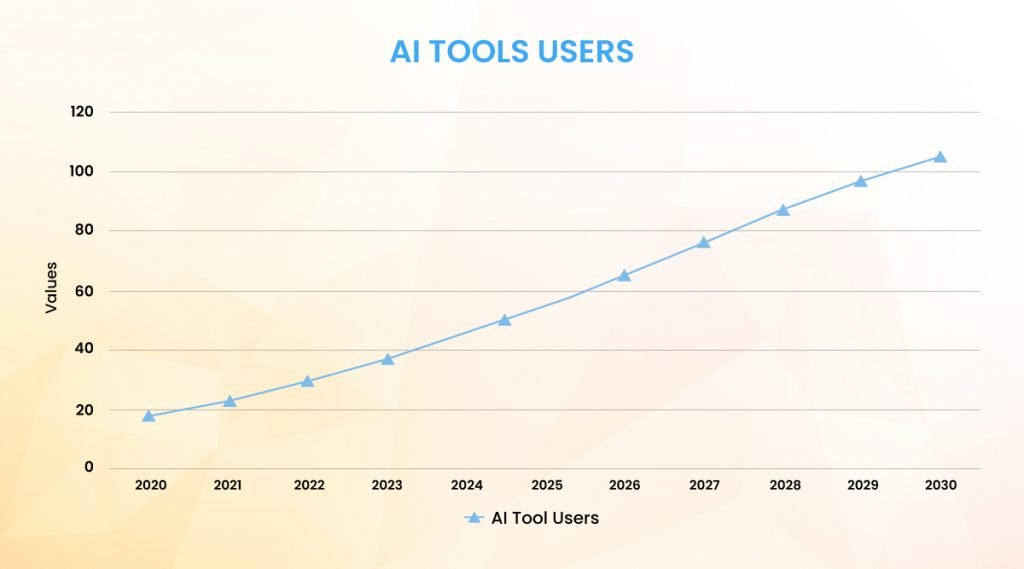
For example, Crazy Egg offers AI-driven insights that help businesses optimise their landing pages for better performance. As seen in the chart, the number of AI tool users is projected to grow steadily, indicating a rising reliance on AI for optimising websites and increasing CRO effectiveness.

This AI-powered approach leads to higher conversion rates, helping businesses improve user engagement and ultimately drive more sales.

Integrating AI in Email Marketing

AI enhances email marketing by personalising content, optimising send times, and segmenting audiences based on behaviour. Platforms like Mailchimp utilise AI to analyse engagement data, allowing marketers to craft targeted campaigns that resonate with recipients.

By utilising AI-driven insights, Australian businesses can improve their email marketing strategies, leading to higher open rates and increased customer engagement.

Creative AI Solutions: Web and Graphic Design

AI is also making waves in creative fields such as web and graphic design. Tools like Adobe Sensei and Canva’s AI features assist marketers in creating visually appealing designs quickly and efficiently.

These AI-driven tools help streamline the design process, allowing marketers to focus on strategy while ensuring that their branding is consistent and engaging. This creativity, combined with data insights, leads to more effective marketing materials.

Cost-Effective AI Solutions

Implementing AI solutions can be cost-effective in the long run. By automating repetitive tasks and improving overall efficiency, businesses can reduce operational costs while maximising their marketing impact.

According to a report by McKinsey, companies that implement AI technologies can achieve up to a 40% increase in productivity. This efficiency translates to a higher return on investment, making AI a compelling option for marketers.

The Future of AI in Marketing

The future of AI in marketing is bright, with continuous advancements expected to further reshape the industry. As technology evolves, businesses can anticipate more sophisticated AI applications that enhance marketing strategies and improve customer experiences.

In Australia, staying ahead of these trends will be crucial for businesses looking to thrive in a competitive market. Embracing AI innovations will not only enhance operational efficiency but also position brands as leaders in their respective industries.

Conclusion

AI is fundamentally transforming digital marketing in Australia, offering innovative solutions that enhance efficiency, personalisation, and customer engagement. By leveraging AI technologies, businesses can create targeted SEO strategies, optimise campaigns, and ultimately achieve greater success.